












 فارسی
فارسی العربية
What to Do When You Are in a Car Accident?
Knowing what to do in a car accident is a very important question that every driver should be familiar with before an incident occurs. Car accidents can happen for various reasons, such as driver inattention, adverse weather conditions, or vehicle malfunctions, and in a short moment, they can significantly affect lives. Being aware of the correct steps after an accident can help prevent further risks and make the legal and medical processes easier.
The first step after an accident is to remain calm and assess the situation. Checking yourself and others for serious injuries is crucial, and if there are any casualties, contact emergency services immediately. Next, secure the accident scene by safely positioning vehicles and using warning triangles or hazard lights to prevent secondary collisions.
Then, collect essential information from all parties involved, including driver details, license plate numbers, and insurance information. Taking photos of the accident scene is also very important for insurance claims and legal purposes. Importantly, never admit fault without consulting the police or your insurance company, as premature acceptance of responsibility can complicate the process.
Experience a comfortable and safe journey with D R Car Rental! From economical and family cars to luxury and sports vehicles, we offer the best options at competitive prices with professional services.
What to Do Immediately After a Car Accident in the UAE
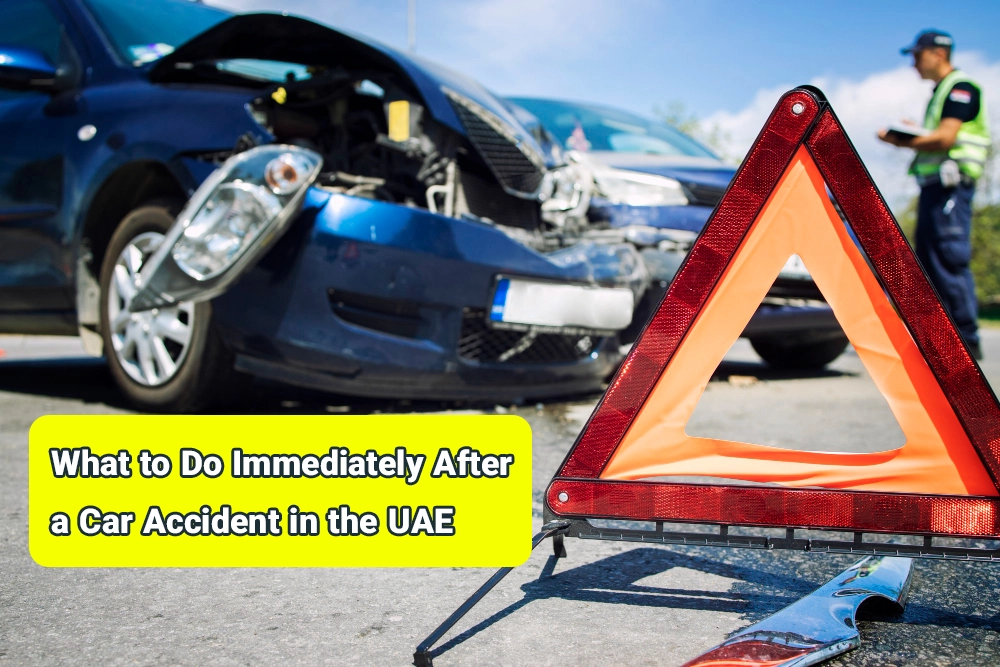
Immediately after a car accident in the UAE, taking prompt and correct actions is crucial, as these steps can prevent further harm and facilitate legal and insurance procedures. First, remain calm and assess the situation. Checking your own condition and that of others, and ensuring there are no serious injuries, is the most important initial step.
1. Stop the Vehicle and Ensure Safety
The first and most important step after a car accident in the UAE is to stop your vehicle and ensure its safety. Even if the accident seems minor, stopping the car is essential to prevent further risks for yourself and others. Driving away without stopping can create serious dangers and legal consequences for the driver.
Once the vehicle is stopped, quickly assess the situation. Check whether your car is in a safe location or if it might obstruct traffic or pose a risk of another collision. If your car is in the middle of the road or a dangerous area, move it to the roadside if possible. If not, turn on your hazard lights and place a warning triangle at a safe distance to alert other drivers about the incident.
Additionally, check your vehicle for safety hazards such as fuel leaks, fire risks, or damaged systems. If you notice any dangerous issues, maintain a safe distance and move away from the vehicle. Following these precautions not only prevents further harm but also creates a secure environment for receiving assistance and assessing injuries.
2. Check for Injuries
After stopping your vehicle and ensuring its safety, the next crucial step in handling a car accident in the UAE is to assess injuries. This stage is vital because promptly identifying injuries can prevent more serious complications and, if necessary, enable immediate medical assistance.
Start by checking yourself and your passengers. If there are signs of serious injury—such as heavy bleeding, fractures, unconsciousness, or severe pain—contact emergency services immediately. In the UAE, the ambulance emergency number is 997, and you should provide clear information about the number of injured people and the severity of their injuries so that medical teams can arrive quickly.
Next, check the condition of other drivers and passengers involved in the accident. If it is safe to do so, provide basic first aid, such as stopping bleeding or immobilizing injured limbs until professional help arrives. Avoid moving injured persons unless there is an immediate danger, as improper movement can worsen injuries.
Accurately document the type and location of injuries for legal and insurance purposes. Taking photos of both the injuries and the accident scene helps with proper documentation and can facilitate the claims process.
3. Report the Accident to the Police
One of the most crucial steps after a car accident in the UAE is reporting the accident to the police. Contacting the police is not only a legal requirement but also helps facilitate the insurance process and prevents potential disputes.
After ensuring vehicle safety and assessing injuries, call the traffic police at 997 and provide accurate details about the location of the accident, the number of vehicles involved, the nature of injuries, and the traffic conditions. The presence of a police officer at the scene ensures an official accident report is filed, which is essential for any insurance claims or legal proceedings.
During the police visit, it is important to fully cooperate with the officers. Present all necessary documents, including vehicle registration, driver’s license, insurance papers, and details of the accident. Providing a clear and honest account of how the accident occurred helps prevent future issues and makes the investigation process faster and more transparent.
Filing an official police report is mandatory for accidents involving property damage or personal injuries. Without this report, insurance companies may delay or deny claims. Even in minor accidents, having police documentation can prevent disputes between the involved parties and ensure proper legal coverage.

4. Gather and Document Information
After contacting the police and ensuring safety, the next step in handling a car accident in the UAE is collecting and documenting information. This process is essential for legal follow-up and insurance claims, and it helps prevent disputes between the involved parties.
First, gather contact details and information of the other drivers involved in the accident. This includes names, phone numbers, license plate numbers, vehicle make and model, color, and insurance details. Also, collect contact information from passengers and witnesses, as these can be crucial for testimony or resolving any disagreements later.
The next step is documenting the accident scene. Take clear and comprehensive photos or videos of the vehicles, damages, the scene, and any relevant signs or evidence. Ensure that the images capture all necessary details for insurance claims or legal review.
Additionally, take notes on how the accident occurred, weather conditions, road status, vehicle speeds, and any other contributing factors. These records help create an accurate report, which will be invaluable for insurance purposes or legal proceedings in case of disputes.
Related content: New UAE Traffic Rules and Penalties from March 2026
5. Obtain the Police Report
After contacting the police and reporting the accident, the next crucial step in managing a car accident in the UAE is obtaining the police report. This report serves as the official and legal documentation of the incident and is essential for insurance claims, dispute resolution, and any legal procedures.
When the police officer arrives at the scene, they collect and review all relevant information about the accident. This includes driver details, vehicle license plate numbers, road conditions, and the extent of damages. After completing their assessment, the officer prepares an official accident report containing all the details and the circumstances of the incident. It is important to obtain a copy of this report for your records.
The police report is vital for several reasons. First, insurance companies generally require the official report to process claims. Without it, claim approval may be delayed or denied. Second, in the event of a dispute or legal challenge between the parties, the police report serves as a legal reference and evidence to support any claims.
When receiving the report, ensure that all personal information, accident details, and damages are accurately documented. If needed, you can request clarification from the officer to confirm that the report is complete and free of errors.
6. Inform Your Insurance Provider
After obtaining the police report and gathering all necessary information, a critical step in managing a car accident in the UAE is notifying your insurance provider. This step ensures timely compensation, speeds up the claims process, and helps prevent legal complications.
Contact your insurance company as soon as possible to report the accident. Most insurers have 24-hour emergency lines to provide guidance and support in such situations. When contacting your provider, give complete details including the time and location of the accident, vehicle and driver information, type of damages, and the police report number. Providing supporting documents such as the police report, photos of the scene, and insurance papers will help accelerate the claims process.
The insurance company may also guide you on necessary forms, legal procedures, and steps for vehicle repair or compensation. Cooperating fully and responding to all inquiries helps avoid delays and misunderstandings.
In some cases, the insurer may send an assessor to evaluate the damage or provide instructions for vehicle repairs. Therefore, prompt and accurate notification to your insurance provider is crucial to ensure a smooth and efficient claims process.
What to Expect After the Accident
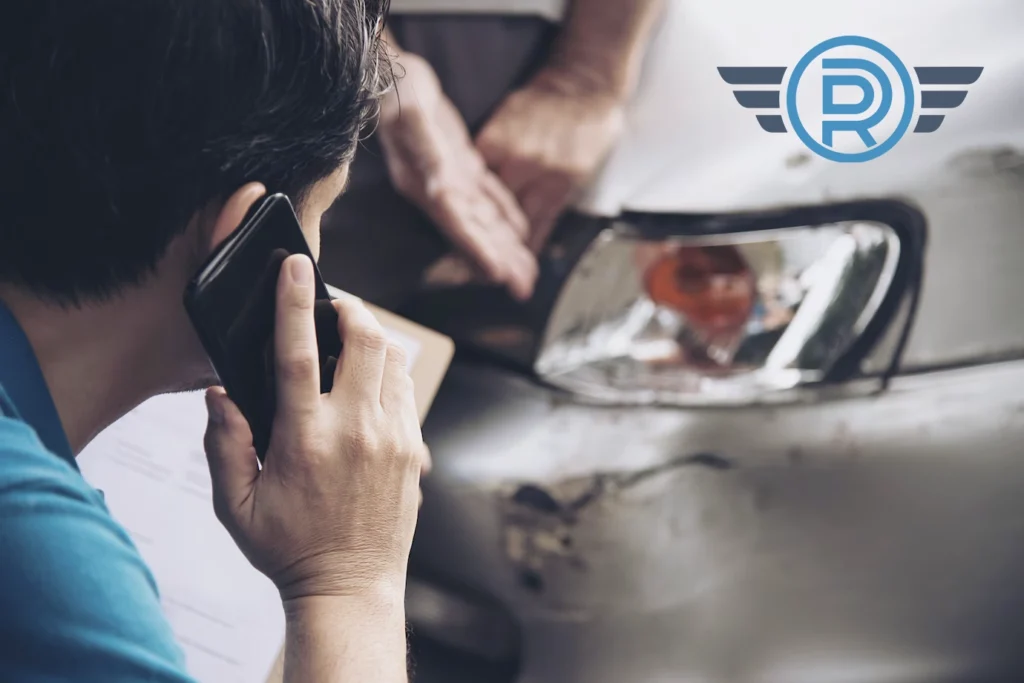
After a car accident in the UAE, being aware of the post-accident steps helps manage the situation properly and reduces stress. First, it is expected that you check the safety of yourself and others involved, and if there are any injuries, immediately contact the emergency services (number 997) so that the medical team can be dispatched to the scene quickly.
The presence of the police and the filing of an official report is another important step. The police officer collects details of the accident and prepares an official report, which is essential for legal follow-up and insurance claims. This process may take some time, especially if the accident is severe or involves multiple vehicles. At this stage, full cooperation with the police and providing accurate information is very important.
After the report is filed, the insurance process begins. The insurance company reviews documents, photos, and the police report, and may send their experts to assess the damage. Depending on the severity of the accident, the process of reimbursement or vehicle repair may take several days to a few weeks. Therefore, patience and regular follow-up are crucial to ensure that all steps are completed correctly.
Common Traffic Violations That Lead to Accidents
- Speeding: Driving above the speed limit, making vehicle control difficult.
- Failing to maintain a safe distance: Being too close to the vehicle ahead, reducing reaction time.
- Using a mobile phone or distractions: Texting, calling, or focusing on other distractions while driving.
- Illegal overtaking: Passing in inappropriate conditions or on prohibited routes.
- Running a red light: Ignoring traffic signal laws.
- Driving while fatigued or drowsy: Reduced concentration and delayed reactions.
- Driving under the influence of alcohol or drugs: Impaired control and judgment.
- Ignoring traffic signs: Not paying attention to road signs and warnings.
- Sudden lane changes without signaling: Changing lanes abruptly without using indicators, causing collisions.
- Aggressive or reckless driving: Pressuring other drivers, sudden braking, or performing dangerous maneuvers.
How to Avoid Car Accidents
Prevention is better than cure, and adopting safe driving practices can help you steer clear of trouble:
- Adhere to Traffic Rules: Always follow speed limits, traffic signals, and road signs. The UAE has an advanced traffic monitoring system, and violations are likely to be recorded by cameras.
- Drive Defensively: Anticipate the actions of other drivers and maintain a safe distance from the vehicle ahead. Defensive driving minimizes the risk of collisions, especially in busy city areas.
- Avoid Distractions: Focus solely on driving. Activities like texting, adjusting the radio, or eating while driving divert attention and increase the likelihood of accidents.
- Keep Your Vehicle in Good Condition: Regular maintenance is crucial for safe driving. Ensure your brakes, tires, lights, and engine are in optimal condition. If you’re using a car rental in Dubai, choose a reputable company that prioritizes vehicle upkeep.
- Adjust to Weather Conditions: Sandstorms and occasional rains can reduce visibility and create hazardous driving conditions. During such weather, drive at reduced speeds and use your headlights appropriately.


How D R Car Rental Prioritizes Safety to Prevent Accidents
At D R Car Rental, safety is not just a priority, it’s a commitment. Renting a car should be a stress-free experience, and part of achieving that goal lies in ensuring that every vehicle is road-ready and every driver is prepared. Accidents can happen, but D R Car Rental takes every possible precaution to minimize risks and safeguard its customers. Here’s how we consistently prioritize safety before handing over the keys to our customers.
- Rigorous Vehicle Maintenance
Safety on the road begins with the car itself. At D R Car Rental, every vehicle undergoes strict maintenance protocols to ensure it’s in peak condition:
- Routine Servicing: Each car in the fleet is regularly serviced, focusing on critical systems such as brakes, engines, and suspension.
- Pre-Rental Inspections: Before handing over a vehicle, a final inspection is performed to confirm that essential systems like lights, indicators, and wipers are functioning properly.
- Tire Safety: Tire pressure and tread depth are constantly checked, because improperly maintained tires are a leading cause of road accidents.
These measures help minimize the risk of mechanical failures and ensure drivers feel secure behind the wheel.
- Driver Education and Guidance
Navigating Dubai’s roads can be a daunting task, especially for visitors unfamiliar with local traffic rules. D R Car Rental goes beyond simply handing over the keys by providing:
- Comprehensive Driving Orientation: Customers are briefed on Dubai’s traffic laws, including speed limits, Salik toll systems, and parking rules.
- Emergency Resources: Renters receive contact numbers for emergencies and accident reporting, ensuring they’re prepared to handle any situation.
- Driving Tips: First-time drivers in Dubai are given advice on safe driving practices, such as maintaining proper distances and avoiding aggressive maneuvers.
By empowering customers with knowledge, D R Car Rental helps them feel confident and prepared to drive responsibly.
- Driver Screening and Documentation
D R Car Rental takes a cautious and thorough approach to renting out vehicles:
- License Verification: Drivers must present valid licenses, and international visitors are required to have an International Driving Permit if applicable.
- Clear Insurance Options: Comprehensive coverage, including Collision Damage Waiver (CDW), is encouraged to provide financial protection in case of accidents.
- Terms and Conditions: Renters are clearly informed of their responsibilities, including compliance with traffic rules and avoiding distracted driving.
This attention to detail ensures that only qualified drivers take to the roads.
- Advanced Safety Features in the Fleet
D R Car Rental prioritizes customer safety by maintaining a modern fleet equipped with advanced safety features:
- Airbags: Standard in all vehicles to protect drivers and passengers in collisions.
- Rearview Cameras and Sensors: To assist with parking and reversing safely, many of the cars rented out at D R Rental include this option to promote safety.
- Traction Control Systems: To prevent skidding, especially in slippery conditions.
These features reduce the likelihood of accidents and enhance overall driving safety.
- Continuous Improvement and Feedback
Customer feedback is invaluable to D R Car Rental’s commitment to safety. The company regularly updates its policies and processes to meet evolving road safety standards and incorporate customer suggestions.
How D R Car Rental Helps Prevent Accidents
Beyond their operational safeguards, D R Car Rental takes extra steps to reduce risks for drivers. By educating customers, maintaining vehicles meticulously, and encouraging safe driving habits, the company actively contributes to reducing accidents on Dubai’s roads.
For instance, customers are encouraged to avoid common causes of accidents such as:
- Speeding: Maintaining appropriate speeds, especially on highways, is emphasized.
- Distracted Driving: Drivers are reminded to focus solely on the road and avoid using phones.
- Tailgating: Customers are advised to maintain safe distances to prevent rear-end collisions.

Accident Preparedness for Renters
Despite all precautions, accidents can happen. D R Car Rental ensures that customers are well-prepared to handle such situations:
- Emergency Protocols: Renters are provided with step-by-step instructions for reporting accidents and obtaining police reports, which are mandatory in the UAE.
- Replacement Vehicles: In the event of a major issue, D R Car Rental offers assistance with replacement vehicles.
- Support for Insurance Claims: The team assists customers with insurance claim processes to ensure swift resolution.
A Commitment to Road Safety
From vehicle maintenance to customer education and advanced technology, the company is dedicated to reducing risks and ensuring peace of mind for every driver.
Whether you’re a tourist using a car rental in Dubai or a resident seeking a reliable ride, D R Car Rental offers more than just convenience; it offers a safer driving experience. By choosing D R Car Rental, you’re not just renting a vehicle, you’re choosing a partner in road safety.
final word
Being involved in a car accident is never an easy experience, but knowing the proper steps to take can make the situation far less daunting. Whether you’re driving your personal vehicle or a car rental in Dubai, following the legal protocols ensures a smoother resolution.
Additionally, adopting safe driving habits and remaining vigilant on the roads can help you avoid accidents altogether. By respecting traffic laws, maintaining your vehicle, and practicing defensive driving, you contribute to a safer and more enjoyable driving experience in the UAE.




 Rolls Royce
 Lexus
Lexus Lamborghini
 Porsche
 Ferrari
 Toyota
 Mercedes Benz
 BMW
BMW Land Rover
 Bentley
 Nissan
 Cadillac
 Audi
Audi Chevrolet
 GMC
GMC Hyundai
 Kia
Kia Mazda
Mazda MG
MG