











 فارسی
فارسی العربية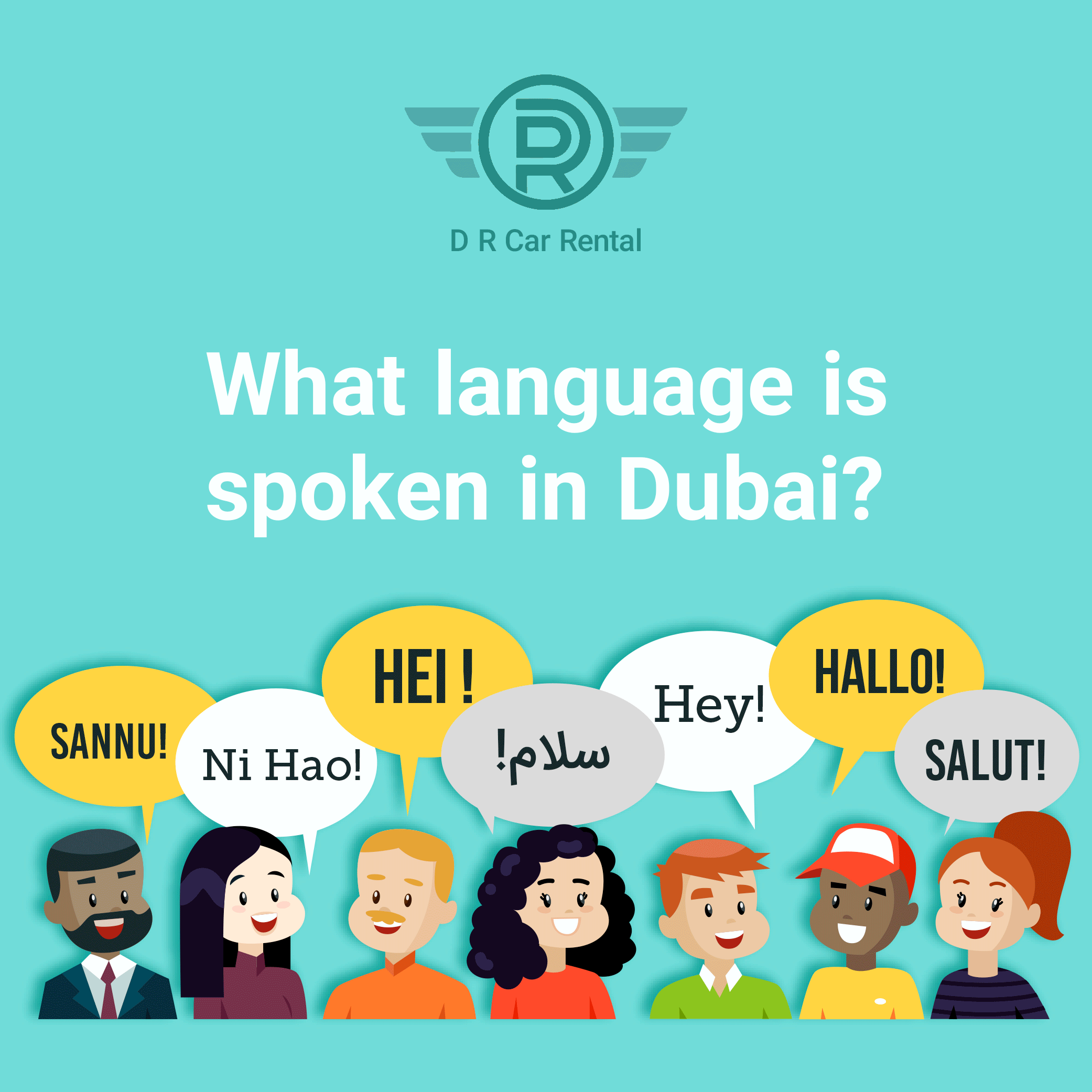
What Language is Spoken in Dubai?
One of the most frequently asked questions by tourists and expatriates planning to travel or live in the United Arab Emirates is: What language is spoken in Dubai? This question is important because knowing the commonly used languages in Dubai can make travel, work, and daily interactions much easier, providing a smooth and enjoyable experience in this modern and vibrant city.
Dubai, as one of the world’s major economic and tourist hubs, has a multinational population, which means many languages can be heard throughout the city.
The official and primary language of Dubai is Arabic. It is used in government offices, official documents, and city signage. However, Dubai is a global city with many tourists, so English plays a crucial role in daily communication. Nearly all hotels, restaurants, shops, and commercial centers have staff who speak English, which acts as a common language among people of different nationalities.
In addition to Arabic and English, due to the large population of Indian, Pakistani, Filipino, and other expatriates, languages such as Hindi, Urdu, Tamil, and Filipino (Tagalog) are also commonly heard in many neighborhoods. This linguistic diversity makes Dubai a multicultural and flexible environment for interacting with locals and visitors alike.
Therefore, if someone asks you, “What language is spoken in Dubai?”, the simple answer is: Arabic is the official language, but English is widely used as a second language in business, work, and tourism settings, while other languages can be heard among expatriate communities. Familiarity with these languages can make your experience in Dubai smoother, more enjoyable, and daily interactions much easier.
D R Car Rental: Your key to a comfortable and luxurious experience in Dubai! Modern cars, reliable services, and a hassle-free journey—all just a call away

Official Language of Dubai: Arabic
The official language of Dubai, like the rest of the United Arab Emirates, is Arabic, which plays a vital role in daily life, government offices, and official documents. Arabic is used in Dubai in two main forms:
1. Modern Standard Arabic (MSA)
This form of Arabic is used in formal writing, media, books, and government documents. While it is less commonly heard in daily conversations, it is essential for reading signs, laws, and official information.
2. Emirati Local Dialect
The local dialect, or Emirati Arabic, is used in everyday conversations among Emirati citizens. This dialect differs from Modern Standard Arabic and may be somewhat challenging for newcomers. Local expressions, common phrases, and pronunciation differ from MSA, but learning a few simple phrases can make daily interactions much easier.
Usage of Arabic in Dubai
Government Offices and Official Documents: All official documents, contracts, and laws are written in Arabic.
City Signs and Road Signs: Usually written in both Arabic and English.
Media and Press: Newspapers, TV, and radio are produced in Arabic, though English versions are often available.
Education and Schools: Public schools and some educational institutions use Arabic as the primary language of instruction.
Practical Tips for Tourists
Knowing simple Arabic phrases such as “Hello” (السلام عليكم), “Goodbye” (مع السلامة), and “Thank you” (شكراً) can make your experience easier.
Even if you are not fluent in Arabic, showing respect for the language and using a few basic phrases enhances positive interactions with locals.

Dominant Language in Dubai: English
Due to its multinational population and large number of tourists, English is the dominant and widely used language in many areas of Dubai. While Arabic is the official language, English plays a major role in workplaces, business, and tourism, making daily communication easier.
1. Usage of English in Dubai
Workplaces and Business: Most international companies and private offices use English to communicate with employees and clients.
Tourism and Services: In hotels, restaurants, shopping centers, and tourist attractions, staff are proficient in English, and signs and menus are often written in English.
Education: International schools and universities, especially those with foreign students, use English as the primary language of instruction.
Media and Information: Many news outlets, magazines, and websites are published in English to cater to the international community.
2. Benefits of Knowing English in Dubai
Easy communication with locals and expatriates
Convenience in shopping, booking services, and using public transport
Better access to information, maps, and city signage
Participation in leisure and cultural activities without language barriers
3. Practical Tips
For tourists and new expatriates, English proficiency is sufficient, and knowing Arabic is not essential for daily activities.
Learning a few simple Arabic phrases as a sign of respect for the local culture can be helpful, but most interactions can be conducted in English.
In formal settings, such as business meetings or government offices, English is widely accepted and commonly used.
Common Languages Among Dubai’s Expatriates
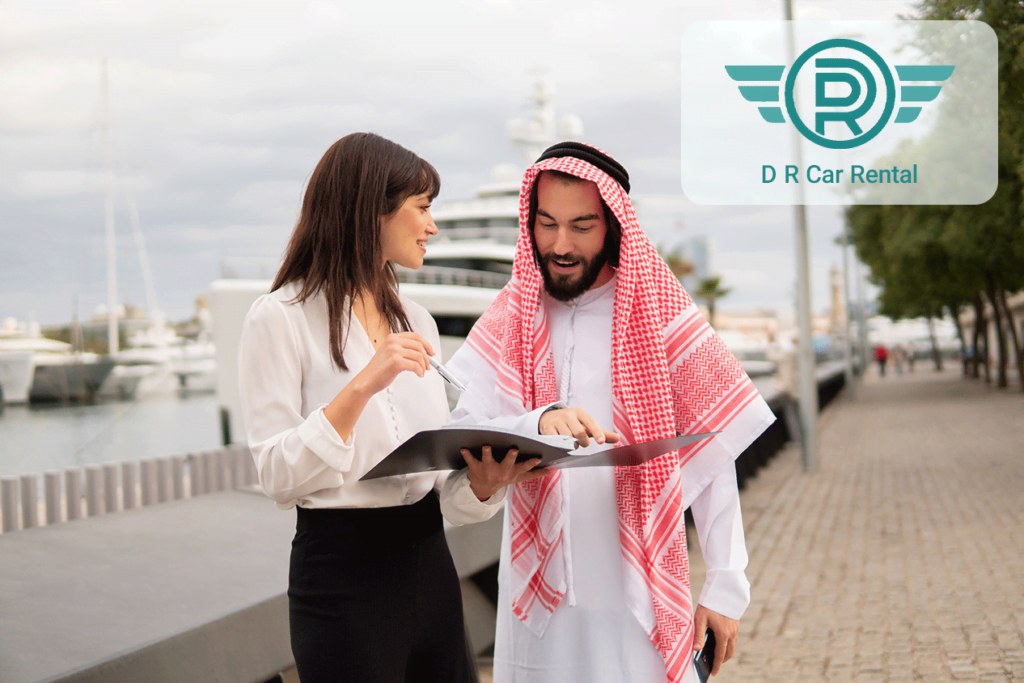
Dubai is a multicultural and international city, hosting a large population of expatriates from around the world. As a result, besides Arabic and English, many other languages are spoken in daily life and across different neighborhoods. Familiarity with these languages can make interactions easier and enhance the experience of living or traveling in Dubai.
1. Hindi and Urdu
Hindi: One of the most common languages in Indian neighborhoods and markets.
Urdu: Spoken by Pakistani expatriates, especially in certain neighborhoods and among service workers.
2. Tamil and Bengali
Tamil: Used among South Indian expatriates, commonly heard in restaurants, shops, and workplaces.
Bengali: Spoken by Bangladeshi residents, particularly in labor and service areas.
3. Filipino (Tagalog)
Filipino expatriates form one of the largest migrant communities in Dubai, and Tagalog is widely used among them in neighborhoods and workplaces.
4. Persian (Farsi)
Due to geographical proximity to Iran and the presence of Iranian residents, Persian can be heard in some commercial centers, restaurants, and shops.
5. Other Languages
Languages such as Chinese, Russian, French, and German are also common among European and East Asian tourists and expatriates.
This linguistic diversity makes Dubai a multicultural and flexible city for interacting with people from different backgrounds.
Practical Tips
In multicultural environments, most people are proficient in English, which serves as the common language among various expatriate and tourist groups.
Familiarity with expatriate languages, especially for shopping, local services, or work, can make your experience easier and more friendly.
Practical Tips for Tourists and Expatriates
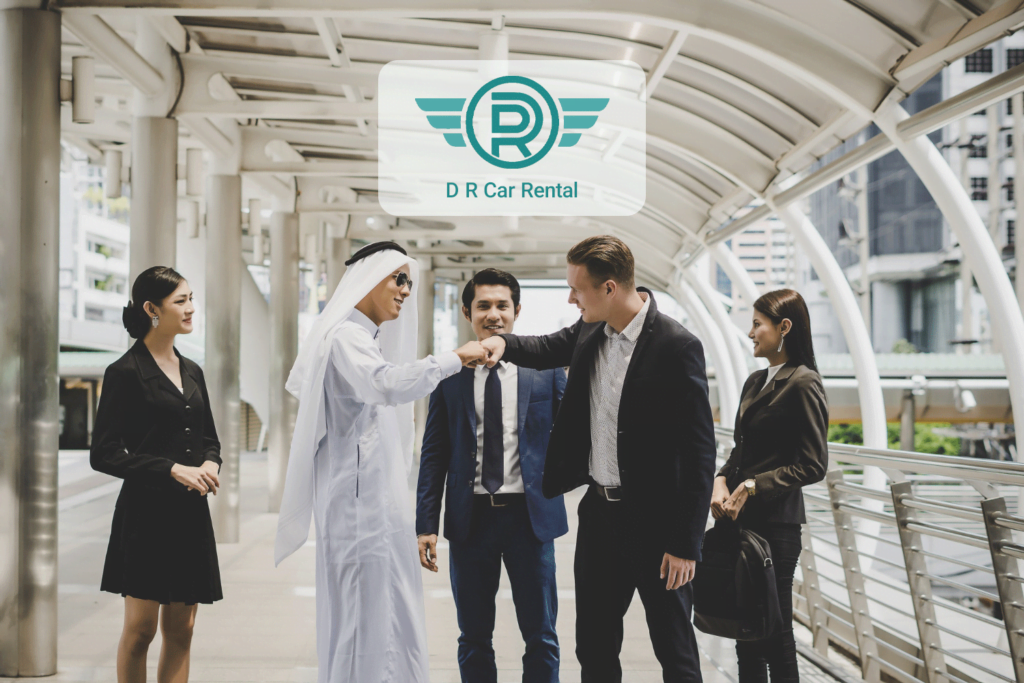
Dubai is a modern, multicultural, and vibrant city, hosting millions of tourists and expatriates from around the world. To have a comfortable, safe, and enjoyable experience, it is important to follow these practical tips:
1. Familiarity with Common Languages
Arabic: Knowing a few simple phrases such as “Hello” (السلام عليكم), “Goodbye” (مع السلامة), and “Thank you” (شكراً) shows respect for the local culture and improves interactions.
English: The dominant language in workplaces, business, and tourism; proficiency in English is sufficient for daily communication.
Expatriate Languages: If you interact with specific communities, such as Indians, Pakistanis, or Filipinos, familiarity with their language can be helpful.
2. Respect Local Culture and Customs
Appropriate Clothing: Dress smartly and respectfully, especially in public places, shopping centers, and government offices.
Respect Traditions: Behave politely, avoid offensive actions, and follow local laws.
Public Restrictions: Alcohol consumption is allowed only in designated areas; avoid inappropriate public behavior.
3. Transportation Planning
Safe and Convenient Options: Taxis, Uber, and Careem are recommended.
Parking: Limited in some areas; public transportation or online ride services are preferable.
4. Budgeting and Cost Management
Be aware of prices in restaurants, clubs, tours, and other services.
In luxury environments, entry fees and drinks are higher; advance reservations for clubs are recommended.
5. Social and Work Interactions
English is the common language and can be used for most interactions.
In professional settings, observe etiquette and respect organizational culture and rules.
Networking with other expatriates and tourists can enrich your experience.
6. Use of Technology
Transportation, translation, and travel guide apps make communication and mobility easier.
Official websites and social media channels provide up-to-date information about events, opening hours, and available services.
final word
The official language of Dubai is Arabic and it is used in government offices, schools, signage, and official documents. Arabic includes Modern Standard Arabic for writing and the Emirati local dialect for everyday conversations.
However, English is the dominant language in workplaces, business, and tourism and is used as a common language in hotels, restaurants, shopping centers, and universities.
In addition, expatriate languages such as Hindi, Urdu, Tamil, Bengali, Filipino, and Persian are common in neighborhoods and workplaces and reflect Dubai’s cultural diversity.
For a comfortable and effective experience in Dubai, it is recommended to be familiar with a few simple Arabic phrases, use English for general communication, respect local culture and customs, and plan for transportation and budgeting.


 Rolls Royce
 Lexus
Lexus Lamborghini
 Porsche
 Ferrari
 Toyota
 Mercedes Benz
 BMW
BMW Land Rover
 Bentley
 Nissan
 Cadillac
 Audi
Audi Chevrolet
 GMC
GMC Hyundai
 Kia
Kia Mazda
Mazda MG
MG