











 فارسی
فارسی العربية
The Evolution of Car Rental in Dubai: From Traditional to Digital
Over the past few decades, the evolution of car rental in Dubai has become one of the most remarkable symbols of urban and technological advancement in the Middle East. Dubai — a city that rapidly transformed from a small trading port into one of the world’s most modern and dynamic hubs has always been at the forefront of innovation, especially in the field of transportation.
The car rental industry is no exception; it has evolved from traditional, paperwork-heavy, and in-person transactions to fully digital, smart, and online systems. This transformation has not only made the customer experience faster and more convenient but has also played a vital role in boosting tourism and improving urban mobility services.
In the past, the car rental process in Dubai was time-consuming and limited to small local agencies that mainly served tourists or short-term residents. However, with the rise of communication technologies, internet expansion, and the emergence of digital platforms, both global companies and local startups have introduced intelligent and user-friendly systems. Today, with just a few clicks, customers can choose, reserve, and even receive their rental cars automatically via mobile apps or websites.
Moreover, Dubai’s government policies promoting the digital economy and smart city initiatives have significantly accelerated this evolution. Innovative solutions such as driverless car rentals, contactless payments, and AI-based dynamic pricing reflect the industry’s maturity and alignment with global technological trends.
In conclusion, the evolution of car rental in Dubai is not merely an economic transformation it represents a broader cultural, technological, and managerial shift within a city that continues to redefine the future of urban living through intelligence and innovation.



The Traditional Car Rental Experience
In the early days of car rentals in Dubai, the industry was characterized by a limited selection of vehicles and basic service models. Tourists and residents often relied on local travel agencies or hotel concierge services to arrange rentals, resulting in a somewhat cumbersome process. The following features defined the traditional car rental experience:
- Limited Options: Most car rental companies offered a small fleet of standard vehicles. Customers had few choices when it came to vehicle types, often limited to economy or mid-range sedans.
- In-Person Transactions: Customers were required to visit rental offices to complete their bookings. This process involved filling out lengthy paperwork and often waiting for vehicles to be prepared, which could be time-consuming.
- Opaque Pricing Structures: Pricing was not always transparent, with hidden fees that could lead to unpleasant surprises at the time of payment. Customers frequently encountered additional charges for insurance, mileage, or fuel.
- Minimal Customer Interaction: The focus was primarily on transactional relationships, with little emphasis on enhancing the customer experience. Personalization was rare, and rental companies often lacked effective customer service protocols.
Experience a different kind of travel and transportation with D R Car Rental. The company offers a wide range of luxury, economy, and family cars, providing online booking, fast delivery, and 24/7 support.
Transition to Technology

Alongside Dubai’s technological advancements in the late 1990s and early 2000s, the car rental industry underwent significant transformations. This transition marked the beginning of a new era driven by several key developments:
Online Reservation Systems: The introduction of online booking platforms revolutionized the rental process. Customers could now browse available vehicles, compare prices, and make reservations from anywhere in the world. This convenience significantly enhanced accessibility and customer satisfaction.
Transparent Pricing: With the rise of online platforms, rental companies were compelled to adopt transparent pricing models. Customers could view all rental-related costs upfront, allowing them to make informed decisions and manage their budgets effectively.
Expanded Vehicle Selection: Increased competition among rental companies led to a wider selection of vehicles. Customers could choose from a diverse range, including luxury cars, SUVs, and even exotic models. This change catered to different tastes and budgets, attracting a broader audience.
Improved Customer Service: The shift to technology prompted rental companies to invest in customer service enhancements. Many companies began training staff in customer relations and ensured that clients received the support they needed throughout their rental experience.
The Rise of Mobile Applications
The proliferation of smartphones in the late 2000s and early 2010s marked another significant turning point for the car rental industry. Companies quickly adapted to this trend by launching mobile applications, further enhancing customer convenience and engagement:
- User-Friendly Interfaces: Mobile apps introduced user-friendly interfaces that simplified the rental process. Customers could easily browse available vehicles, make bookings, and manage their reservations with just a few taps on their screens.
- Real-Time Tracking and Assistance: Many rental apps now offer real-time tracking of rental vehicles, allowing customers to locate their cars and receive immediate assistance if needed. This feature enhances safety and security, providing peace of mind to users.
- Flexible Rental Options: To meet the needs of a tech-savvy generation, rental companies began offering flexible rental options through their apps. Customers could rent vehicles for short periods, such as hours or days, accommodating their varying travel needs.
- Loyalty Programs and Rewards: The integration of loyalty programs within mobile apps encouraged repeat business. Customers could earn points for rentals, unlocking discounts and exclusive offers that enhanced their overall experience.

The Impact of Ride-Sharing Services
The emergence of ride-sharing services like Uber and Careem in Dubai introduced a new dynamic to the transportation landscape. While these services posed a challenge to traditional car rentals, they also spurred further innovation within the industry:
- Competitive Pricing: To remain competitive, car rental companies had to adjust their pricing strategies. This led to more competitive rates and promotional offers that attracted customers who might have otherwise chosen ride-sharing.
- Flexible Rental Options: Many rental companies started offering short-term rentals or hourly options to compete with the convenience of ride-sharing. This flexibility allowed customers to rent vehicles for specific events or outings without committing to a full day.
- Partnerships with Ride-Sharing Services: Some rental companies began partnering with ride-sharing platforms, allowing customers to seamlessly switch between renting and using ride-sharing services. This collaboration offered a comprehensive transportation solution for users.
Related content: Electric vs. Gasoline: Which Car Should You Rent for Your Next Trip?
The Digital Era: Advanced Technologies
As Dubai continues to establish itself as a global leader in innovation, the car rental industry is leveraging advanced technologies to enhance customer experiences. The following trends illustrate how the industry is evolving:
- Autonomous Vehicles: The concept of self-driving cars is gaining traction in Dubai, with pilot programs and testing phases already underway. While full-scale implementation is still on the horizon, car rental companies are exploring partnerships to integrate autonomous vehicles into their fleets, promising a new level of convenience and safety for users.
- Electric and Hybrid Vehicles: With a growing emphasis on sustainability, many rental companies are expanding their fleets to include electric and hybrid vehicles. This move aligns with Dubai’s vision of becoming a greener city, offering customers eco-friendly transportation options while reducing the overall carbon footprint.
- Artificial Intelligence and Data Analytics: Rental companies are leveraging AI and data analytics to personalize customer experiences. By analyzing customer behavior and preferences, companies can provide tailored recommendations, optimize pricing strategies, and predict vehicle maintenance needs, ensuring a seamless rental experience.
- Enhanced Safety Features: The integration of advanced safety features, such as collision detection systems and GPS tracking, has become increasingly common in rental vehicles. These features not only enhance safety for renters but also provide rental companies with valuable data for fleet management.

Impact of Technology and Changing Customer Behavior
One of the most significant stages in the evolution of car rental in Dubai has been the shift in customer behavior in response to technological advancements. With the advent of mobile apps and online platforms, customers no longer need to visit rental offices in person and can book their desired vehicles digitally. This behavioral change has made the rental process faster, more transparent, and more convenient.
Innovative technologies such as contactless payments, digital keys, and online identity verification now allow cars to be picked up and returned without direct interaction with staff. Moreover, intelligent systems and artificial intelligence enable companies to analyze customer behavior patterns and provide personalized services, such as recommending suitable vehicles based on rental history or offering special discounts.
At the same time, access to extensive information and the ability to compare prices and models have made customers more informed and raised their expectations for car rental services. In other words, technology has not only added convenience and speed to the customer experience but has also established new standards for service quality and pricing transparency.
This shift in customer behavior has also driven companies toward continuous innovation from subscription services and electric vehicles to 24/7 support and smart apps. Thus, technological advancement and changing customer expectations have together guided the evolution of car rental in Dubai toward a smart, efficient, and customer-centric industry.
The Future of Car Rentals in Dubai
Looking ahead, the car rental industry in Dubai is poised for further transformation as technology continues to advance and customer preferences evolve. The following trends are likely to shape the future of car rentals in the city:
- Blockchain Technology: The use of blockchain for secure transactions and smart contracts could revolutionize the rental process, making it more efficient and transparent. This technology may eliminate the need for intermediaries, streamlining bookings and reducing costs for both customers and rental companies.
- Integration with Smart City Initiatives: As Dubai invests in smart city projects, car rental companies will likely collaborate with local governments to improve transportation networks and integrate rental services into a cohesive urban mobility strategy. This collaboration could include partnerships with public transport systems and initiatives to promote sustainable transportation options.
- Focus on Customer-Centric Services: Companies will continue to prioritize customer experience by offering personalized services, streamlined booking processes, and enhanced communication channels. This focus on the customer will be essential for retaining loyalty in a competitive market.
- Subscription-Based Models: The emergence of subscription-based car rental services, where customers pay a monthly fee for access to a fleet of vehicles, is becoming increasingly popular. This model offers flexibility and convenience for users who may require different types of vehicles for various needs.
final word
The evolution of the car rental industry in Dubai reflects the city’s commitment to innovation and excellence. From traditional practices to the integration of cutting-edge technology, the industry has transformed to meet the diverse needs of its customers. As we look to the future, it is clear that the car rental sector will continue to evolve, offering exciting opportunities and challenges as it adapts to the ever-changing landscape of transportation in one of the world’s most dynamic cities.




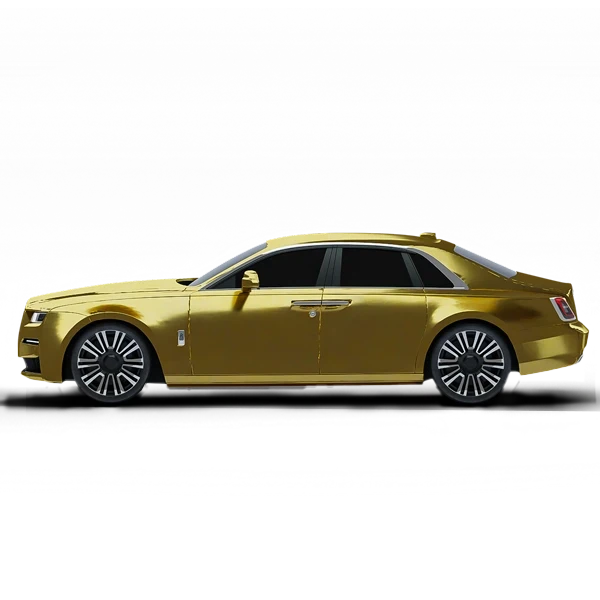
 Rolls Royce
 Lexus
Lexus Lamborghini
 Porsche
 Ferrari
 Toyota
 Mercedes Benz
 BMW
BMW Land Rover
 Bentley
 Nissan
 Cadillac
 Audi
Audi Chevrolet
 GMC
GMC Hyundai
 Kia
Kia Mazda
Mazda MG
MG